Is the Agile Foundation
right for you?
This training is perfect:
if you have little to no knowledge of Agile or Scrum and want to learn the basics
if you want to deepen your understanding of Agile and Scrum before accepting a new role
if you are a Developer or team member who wants to better understand this way of working
if you are a Manager of teams transitioning to Agile with Scrum, but don’t have the time for a full-day training while still needing the knowledge
if you are a self-employed professional (freelancer) who needs to work in an Agile environment
The Self-Study is ideal for anyone who wants to learn Agile and Scrum in a more flexible way than a traditional classroom training. You can complete the theory entirely at your own pace and schedule.
(And of course, we also offer this training in a live version!)
What will you learn in the
Agile Foundation Self-Study?
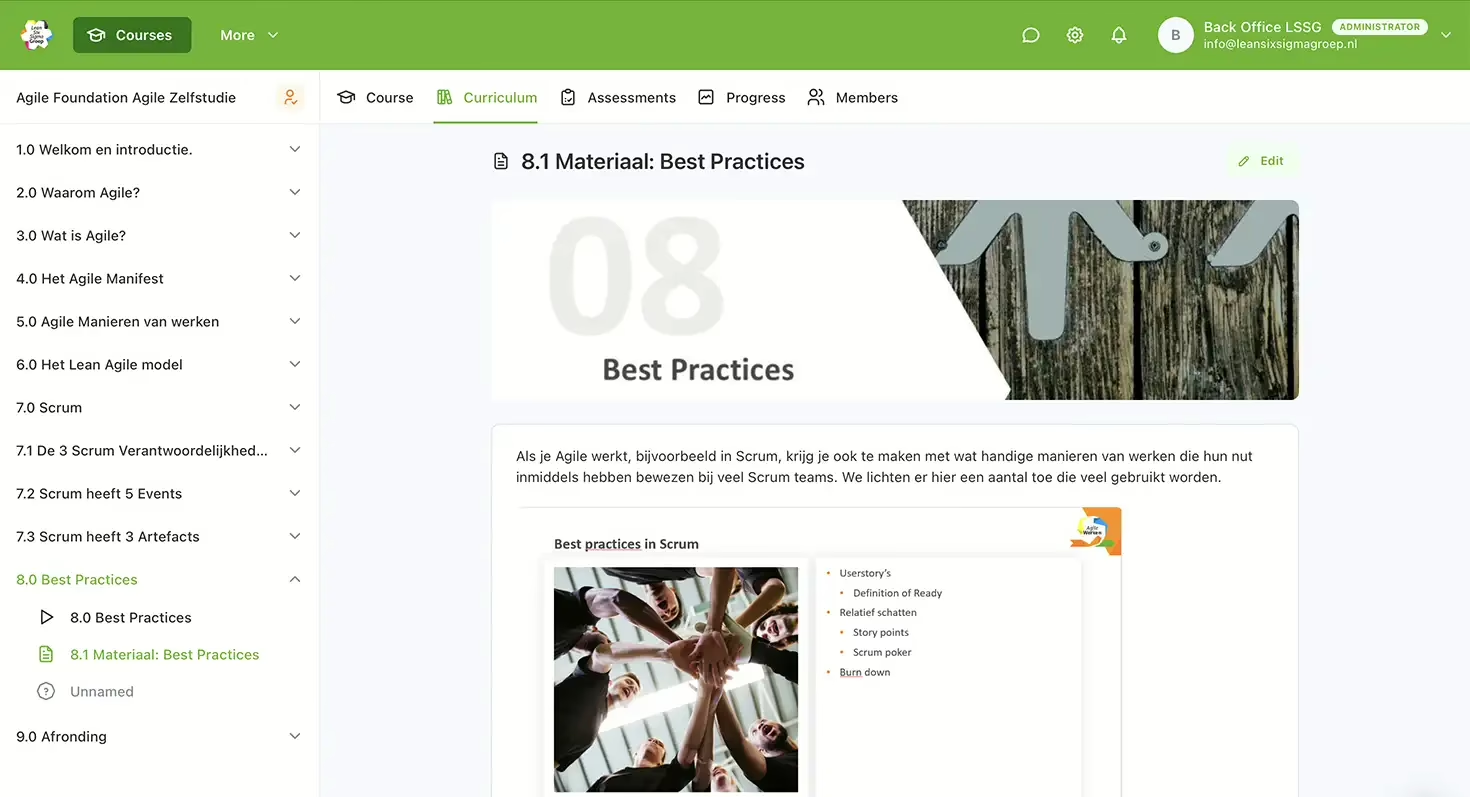
During this program, you will develop a complete understanding of how to successfully apply Agile working with Scrum. The self-study provides the foundation for this.
You will dive into topics such as:
The basics of Agile and Scrum – learning how the framework is structured, the different roles, and how events and artifacts work together to enable transparency and continuous improvement
The value of Scrum events – including Daily Scrum, Sprint Planning, Sprint Reviews, and Retrospectives
Collaboration within the Scrum Team – how Product Owners, Scrum Masters, and Developers work together to improve teamwork, respond more quickly to change, and deliver greater value to customers
Optional exam preparation – serving as a strong foundation for Scrum.org certifications; you will gain the essential knowledge to confidently pursue internationally recognized exams such as PSM I and PSPO I
By the end of the self-study, you will have a solid foundation in Agile and Scrum, enabling you to understand, participate in, and support Scrum practices in your organization.
What will you learn
in the Agile Foundation Self-Study?
During this program, you will develop a complete understanding of how to successfully apply Agile working with Scrum. The self-study provides the foundation for this.
You will dive into topics such as:
The basics of Agile and Scrum – learning how the framework is structured, the different roles, and how events and artifacts work together to enable transparency and continuous improvement
The value of Scrum events – including Daily Scrum, Sprint Planning, Sprint Reviews, and Retrospectives
Collaboration within the Scrum Team – how Product Owners, Scrum Masters, and Developers work together to improve teamwork, respond more quickly to change, and deliver greater value to customers
Optional exam preparation – serving as a strong foundation for Scrum.org certifications; you will gain the essential knowledge to confidently pursue internationally recognized exams such as PSM I and PSPO I
By the end of the self-study, you will have a solid foundation in Agile and Scrum, enabling you to understand, participate in, and support Scrum practices in your organization.
Curriculum
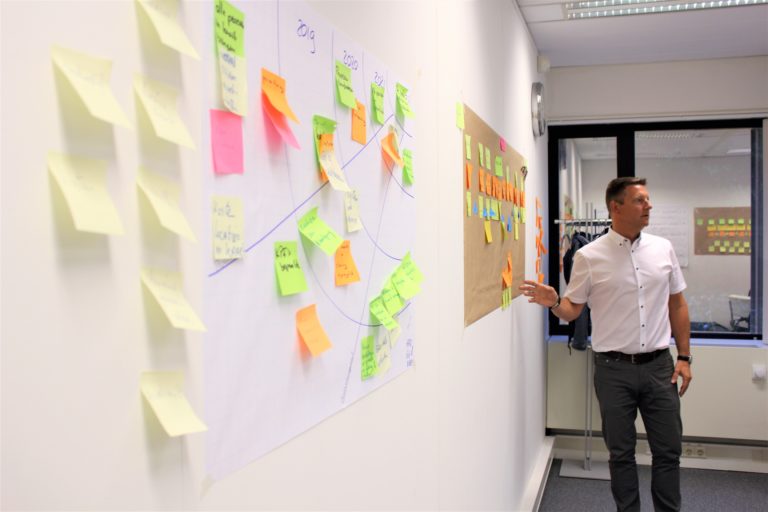
This training consists entirely of self-study, which you can complete fully at your own pace and at a time that suits you best.
Self-Study
The study load is approximately one day. You will work through the complete theory via our e-learning module, anytime and anywhere. Thanks to the interactive design—with assignments, examples, and practice questions—you can immediately apply what you learn and test your understanding.
After completing the program, you will be well prepared to put Scrum into practice and, if desired, you can register for the official certification exam with Scrum.org.
Certification
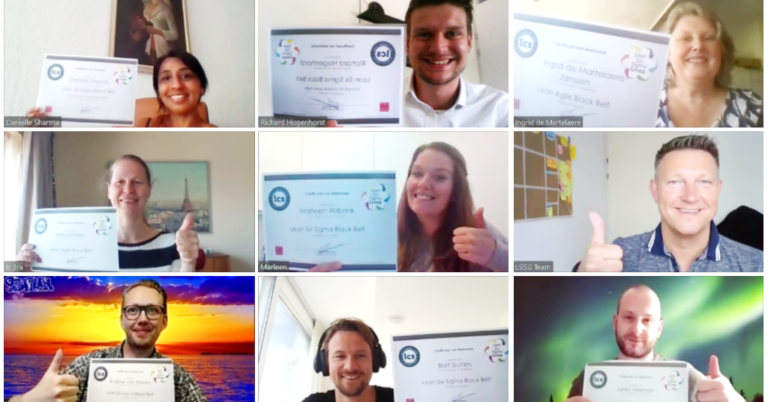
After completing the training, you will receive a certificate of participation. You will also be well prepared in the fundamentals of Agile and Scrum, enabling you to contribute effectively in a Scrum environment.
This training provides the foundational knowledge and skills. If you wish to pursue an external certification next, it serves as a solid stepping stone toward Scrum.org exams (e.g., PSM I or PSPO I). These exams are optional and must be requested separately via Scrum.org.